

Part-I
Glass/Fire, my latest book, will be out on November 22, 2024. It is a small book with a small press seeking a small readership. But, and I say this with emphasis, it has a big ambition; meaning, it tries many things — among them are innovative story structures, offbeat and sensitive themes, woman-centric approach, and the way it deals with topical contemporary issues.
I have been told that authors need to promote their new releases in order to sell, but I am finding myself unequal to the task. I have been on-and-off social media quite a bit recently primarily because of declining engagement, the sad onslaught of posts from accounts I do not follow, and consequently, my wavering interest. As if on cue, the act (or art!) of promoting my publications has taken a backseat too. If I say I had this or that thing published in this or that magazine, a total of five people emboss it with a heart to indicate their viewing, out of about 70 times (views) that the post may have appeared on the general feed. The act of posting that wee update about a new publication (which is the result of cumulative efforts of editors, copyeditors, the journal’s staff with years of publication history and my own hundreds of hours expended perfecting the piece and presenting it for consideration) feels like shouting out into the dark void, akin to a juvenile screaming they got a candy — yay, I got a candy from Miss Madhuri) and the adults just ignoring her. Over the last month and a half, I published a couple of opinion pieces (trampset), couple of flash stories, one fairytale. I received an award at Bacopa Literary Contest. But nothing is like a novella coming out, particularly when the novella has been in the works for close to two years — Glass/Fire went into sub exactly two years ago (November 2022) with an entry in the Bath Novella in Flash Award. It secured a longlisting in the contest judged by John Birmingham, a shortlisting at two other places subsequently, before I had the opportunity to announce (again in November, but November 2023) that it had found publication with Querencia Press.
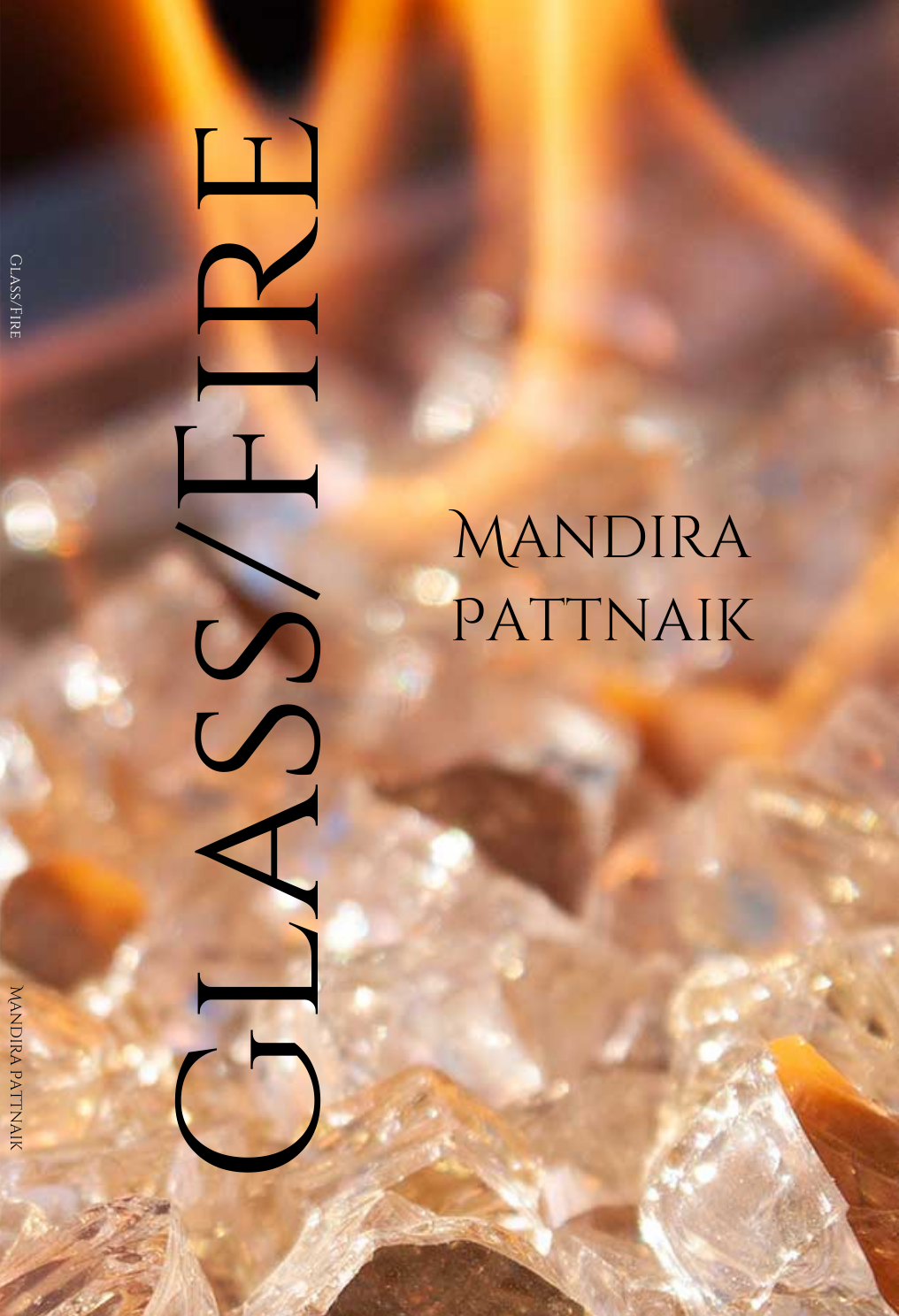
This book is precious because I weave in several contemporary issues such as migration, ecological crises, military casualties, and questions around individual’s choices. I wanted to explore how social fiction can stroll into the park of popular fiction.
For example, the narrator’s family reverse migrated to India. I mean of course there are tens of thousands of families who struggle and find ways to get into America, to get to a place where they find promise, where their hardwork will be met with livelihood and dignity, and education for their children. A huge share of these immigrants never look back, but a small do. A few families decide to come back to their native land and their reasons can be very different and curious. I want to understand why people migrate and do they really find what they were looking for in the foreign land? I want to understand their hardships, their conflicts of identity, their compulsion to keep sticking to more people of their race and color.
My narrator’s father owns a taxicab. He has two daughters, he pretends to be like the white men he ferries; he bosses over his daughters and wife. Does it get to an extreme? Yes it does. I am seeking to find answers if patriarchy (and by connection, the male’s stranglehold over his dependant family) get diluted in a foreign land?
Is it all good when he returns to the land he left behind? Is the home he once abandoned for the idea of a dream in a foreign land the same as before? Readers will discover this family resetting their choices and aspirations. They must adjust their lives as they find themselves back in a place that was always a second choice option even if they called it home. Eddy Villa, the family home, has changed, and a lot of it has to do with coastal floods. So nature (and by default climate crisis) is playing her game and nature’s one step ahead of what humans may have been planning. Ultimately nature wins the battle and the family, minus the father, find themselves forced to realign their lives after selling off Eddy Villa.
I also dive into topics and themes that I believe are talked about lesser than they should be. Among them, is domestic violence — how it is shoved under the carpet. How the woman or mother figure must remain neglected and overworked. How she must prove her chastity like Sita time and again. How the narrator’s mother almost revenges her lifelong sadness with a casual fling that has no future.
Jo, daughter of the family to whom Eddy Villa is sold, is subjected to violence too. She gets hit because she dared to dishonor the family name by a tiny act of defiance in an orchard one afternoon. I hear so many cases in India where daughters are hung by their necks in a mango orchard because they dared to do something that caused the family their society’s shame. Why does the punishment have to be so extreme and happen in an orchard? Why does the disturbing photograph have to be carried over media so widely that it must reach the last public? Because, yes, society wants that — the image of the hanging girls must serve as a reminder to other girls not to be defiant or rebellious.
(to be continued….)

