
One of the other topics that I feel should be talked about more in literature is solitude or loneliness. Both mean the same — the state of being alone, without company, whether physical or mental. But, while referring to this issue in writing, we should remember that solitude is a choice, that is to be alone and content, while loneliness is a feeling of sadness and isolation that you don’t like. For example, I am listening to “Have you ever seen the rain” as I write now — I am feeling happy about the rain, my immediate ambience is peaceful and I am reveling in my alone-ness. That’s a writer’s paradise — isn’t it? To be creative while enjoying solitude. But loneliness? Is it desirable? I think not. You can be lonely in a crowded train.
My characters in Glass/Fire are not alone, not lonely. But they have a certain type of alone-ness. For some characters, this alone-ness gnaws at them, chips away their being, while for some, it helps them think with clarity and seek the right direction that the universe may be pointing them to. In that sense, it is a brokenness that is innate and severely perceptible. I trace this departure of character in a deviation from my usual writing style. I tell Bending Genres in an interview with Swetha Amit: Lyrical writing is my natural style, and I only abandon it when I consciously wish to reflect on the beauty in brokenness. In all things broken, they were once whole, and there was a story of that wholesomeness. But in their shattered fragments, there is beauty and possibility of a different kind. A thing broken cannot be unbroken, and a thing that is shattered might become un-shatterable. And, interestingly, that brokenness and how the brokenness came about can birth multiple stories while the wholesomeness had only one story to tell. Grief and loss are themes where the reader can see only one side, so the vision is not complete and rounded but fractured and partial. I would like to believe that this partial or incomplete view of things is helped with broken, un-uniform prose structures, and hence the sharp, non-lyrical sentence structures in some of the pieces might aid in the communication of loss and grief.
That I think happened. It is a rather big ambition for a small press book. Do readers notice that they are being led to new experimentations? Only time will tell.
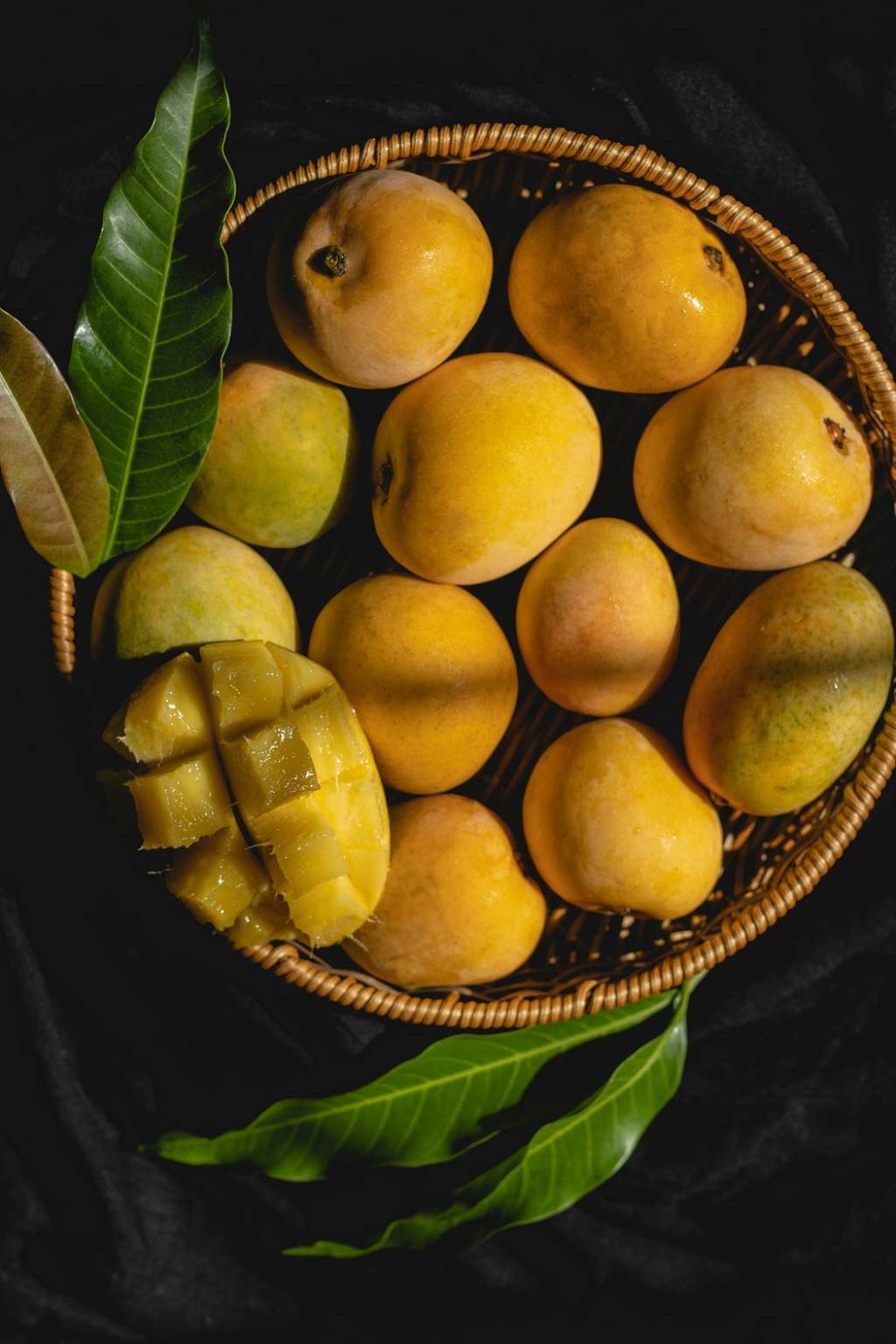
Among the experimentations in this book are several unusual story structures: borrowed form, hermit crab, list, and instructional manuals. I think a lot depends on narrative structures. Again, I love using unconventional structures, because they aid the story I want to tell and make my narration easier. For example, in the two stories “Introduction to Flying Lessons” and “Cullet”, I needed to use direct storytelling and the structures helped. My normal style of lyrical, metaphorical, and descriptive prose might rob the plot point of its seriousness. I wanted the immediacy that crisp, uniform, borrowed structures from elsewhere lend me. I wanted to steer the plot that way. In “Carbon, a Stranded Stone” (originally in the print university journal DASH), I allude to the various forms in which the element Carbon exists in nature — as charcoal, as graphite, and as diamond. The piece introduces the minor characters of the novella, namely Munish and Heena, but is otherwise only tangential to the main plot. In hindsight, I took the risk of this experimental structure to insert a brief pause in the narrative. In “A Harvest Mismatch” (originally in Miracle Monocle), I refer to the Indian national fruit mango and its harvesting while introducing Jo’s difficult situation in a light-hearted way.
A novella is also constrained by its length. Glass/Fire is passionately realistic in a lyrical narrative-telling, and has the ambitions of a full-length, but coils itself into a novella. In that respect, again, I wonder if I have done justice to it. In its brevity, it takes risks. Yes, and some of them may be fun, some not so.

