
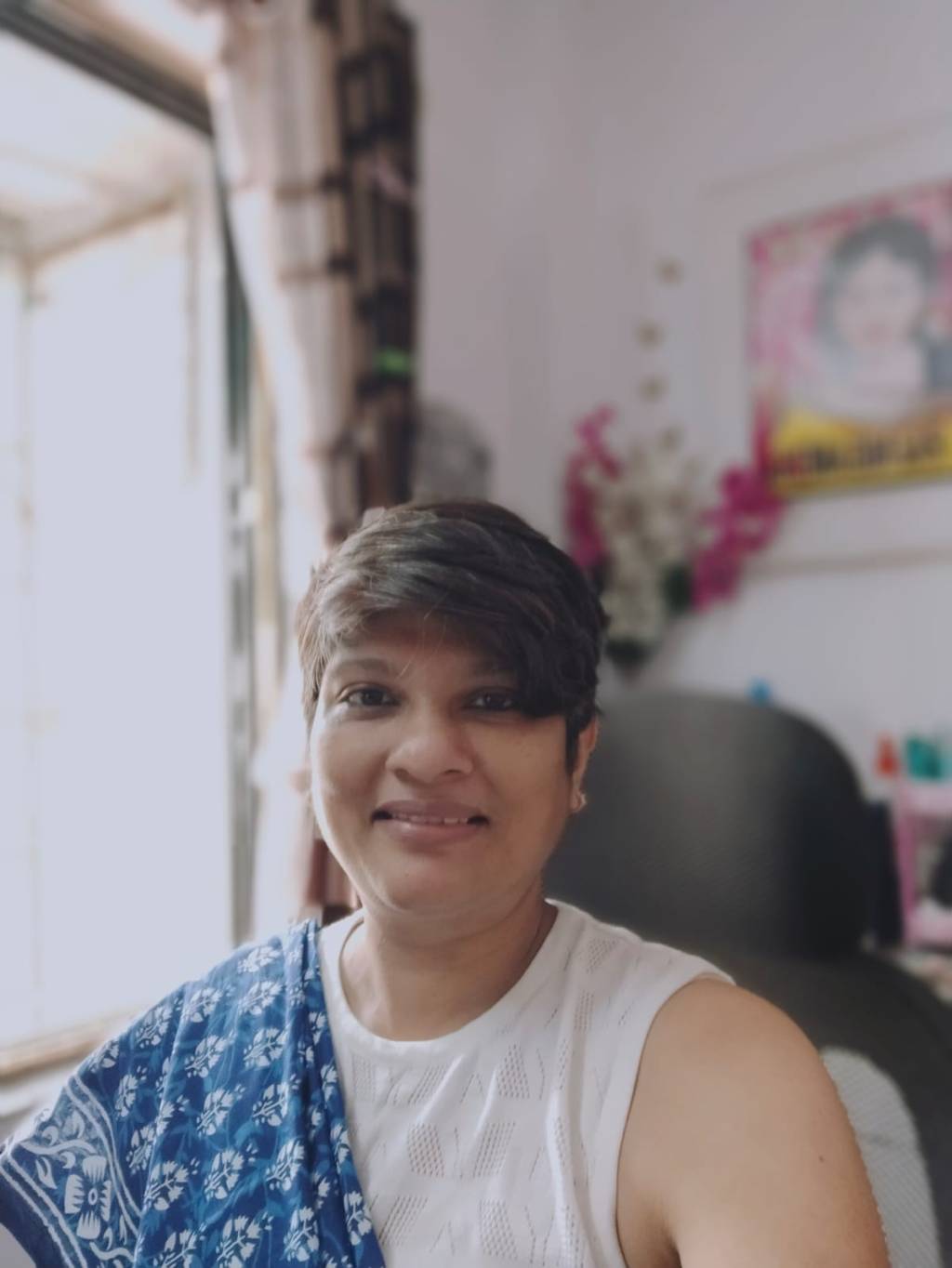
GUEST BLOGPOST BY NAMRATA, EDITOR OF SINGAPORE-BASED KITAAB
FEBRUARY 09 2025
There’s something magical about opening a fresh submission—a story waiting to be read, a voice waiting to be heard. As the editor of Kitaab, a South Asian literary magazine based in Singapore, I have had the privilege of witnessing the raw, unfiltered creativity of writers from all walks of life. Five years on, and the thrill of evaluating a submission still feels just as exciting as day one.
It is both exhilarating and humbling to be the first reader, the first set of eyes that sees the potential in a piece. And yet, behind the quiet joy of discovering brilliance lies an often-unseen reality—one that demands patience, tough choices, and a deep love for literature.
The Submissions Pile: A Treasure Trove and a Test of Endurance
Every editor knows the thrill of reading submissions. Some pieces arrive with a quiet whisper, their beauty unfolding slowly, line by line. Others grip you from the first sentence, refusing to let go. And then, there are the pieces that don’t quite fit, that need work, or that simply don’t align with the magazine’s vision.
Rejecting a submission is the hardest part of the job. I know what it means to pour your heart into a story or a poem and send it out into the world, hoping someone will see its worth. I’ve been on the other side too, waiting for an acceptance that never comes. That’s why I try to ensure every rejection is respectful, sometimes even encouraging. If a piece shows promise, I let the writer know. If it doesn’t fit but carries something special, I suggest they send it elsewhere. Because I believe rejection, when framed with care, is not the end of a writer’s journey—it is a stepping stone.
What Editors Look For (And What They Don’t)
I often get asked, ‘What do editors really want?’ The truth is, there’s no formula for a perfect submission. But here’s what I can tell you: I look for authenticity. For writing that moves me, makes me think, lingers long after I’ve read the last line. A piece doesn’t have to be flashy or overly experimental—it just has to feel real. At Kitaab, the emphasis has, is, and will always be on quality writing and nothing else. Author credentials seldom make a difference.
On the flip side, what makes me reject a piece? Carelessness. Submissions riddled with typos, improperly formatted, or missing key information tell me the writer didn’t respect their own work enough to polish it before sending it out. Another common mistake is not reading the magazine before submitting. If our magazine focuses on literary fiction, sending a horror screenplay isn’t just a misstep—it shows a lack of research.
The Responsibility of Showcasing Voices
Being an editor is not just about selecting great writing; it’s also about shaping a magazine’s identity. It’s about ensuring diverse voices find space, that lesser-heard perspectives are amplified. It’s about creating a platform where stories matter, where literature isn’t just entertainment but a reflection of the world in all its complexities.
With every piece, I try to strike a balance between established writers and emerging ones. There’s a unique joy in publishing a writer’s first piece, in knowing that this acceptance might be the moment they start believing in their work a little more. I remember the first time one of my stories was published—how it felt like validation, like permission to call myself a writer. To be able to give that feeling to someone else is an honour I don’t take lightly.
The Unexpected Classroom: Learning from Writers, Stories, and Conversations
One March, I dedicated an entire month to celebrating South Asian women writers, and the response was overwhelming. It was humbling to see how women across the globe—despite differences in geography, culture, and language—shared strikingly similar experiences of what writing meant to them. Their stories spoke of resilience, longing, rebellion, and love—reminders of how storytelling binds us together in ways we don’t always realize.
On another occasion, I found unexpected friendships with retired writers—who, after years of balancing work and life, now have the time to dedicate themselves fully to writing. Our creative discussions have been some of the most enriching conversations I’ve ever had. Their stories from the past, their wisdom, and their generous guidance have become invaluable to me. With every conversation, I learn not just about writing, but about life—about patience, reinvention, and the quiet power of persistence.
In many ways, this journey has become my own personal MFA. Every interview I conduct, every story I evaluate, every book I review, every essay I read—whether personal, literary, or travel-based—teaches me something new. The craft of writing, the nuances of storytelling, even the mistakes to avoid—each lesson has been shaped by real experiences, real struggles, and real triumphs. And behind every piece, there is a story, a moment of connection, a shared love for words that makes this entire experience deeply meaningful.
To Writers: A Note from the Other Side
If there’s one thing, I want every writer to know, it’s this: keep writing, keep submitting, and don’t let rejection define you. Even the best writers have been rejected countless times. Your voice matters, your stories matter. Every rejection is not a failure—it’s proof that you’re in the game, that you’re pushing forward.
And if you’re ever wondering what happens after you hit “submit,” know that on the other side, there’s an editor who, like you, loves words. Who, like you, believes in the power of stories. And who, every now and then, finds a submission that makes all the hard work worth it.
So, send in your best work. Polish it, believe in it. And never stop writing.
Namrata is the founder of Keemiya Creatives, a literary consultancy based in Mumbai, and Bookbots India, an initiative bringing transparency to publishing and book marketing. She also hosts The Bookbot Theory, a podcast that makes book marketing accessible for authors and creators worldwide.
She is the editor of Kitaab, a Singapore-based South Asian literary magazine, and a published author with a focus on travel, relationships, and gender. Her travelogue-cum-memoir, A Lost Wanderer: A Book of Memories, reflects her deep connection with storytelling. A UEA alumna, she has also studied travel writing at the University of Sydney. As an independent editor and book reviewer, her work has appeared in Asian Review of Books, Scroll,
Contemporary South Asia Journal (King’s College London), The Friday Times, Feminism in India, and more. Her short stories have been featured in various anthologies, and she has published two short story collections of her own. She is currently working on her debut novel.
X: N (She / Her) (@PrivyTrifles)
Instagram: Instagram
LinkedIn: Namrata (Privy Trifles) | LinkedIn


6 responses to “GUEST POST: Through an Editor’s Eyes: The Joys and Realities of Running a Literary Magazine”
[…] Read the full piece. […]
LikeLike
[…] Recommended Reads: Through an Editor’s Eyes: The Joys and Realities of Running a Literary Magazine […]
LikeLike
[…] wait to resume again in May. If you want to send an article or essay for this series, just like Namrata and Sudeepa Nair did, drop me a line. I’ll leave you with Chital Mehta’s insightful writer […]
LikeLike
[…] Recommended Reads: Through an Editor’s Eyes: The Joys and Realities of Running a Literary Magazine […]
LikeLike
[…] Kitaab’s editor Namrata wrote a guest post for me in February: Through an Editor’s Eyes: The Joys and Realities of Running a Literary Magazine. The post received a shoutout in Becky Tuch’s highly popular newsletter LitMagNews. Guest […]
LikeLike
LOL. Everyone who is a genuine professional in the publishing business knows that Namrata is a clown who pretends to know what she’s doing but doesn’t do anything. She is self-published because no one wants to publish her mediocre garbage, and she spends all her time trying to con people into taking her seriously as a writer or editor despite the glaringly obvious fact that she is neither. You’ve fallen for her nonsense too.
LikeLike